
Acting for Film & TV
Short, on-campus summer classes!

Create Your Future Scholarship
CAT is pleased to announce $30,000 in scholarship awards for Grade 12 students!
Our grads have been creating ...






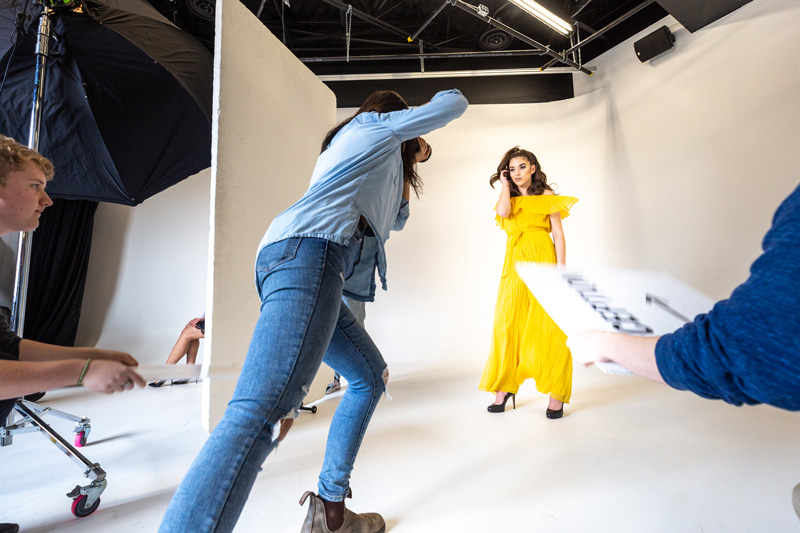
It’s time to make your passion
your profession.
Every graduate’s journey is unique, what connects them is a commitment to building meaningful careers in the creative and technical industries. At the College for Arts and Technology, students in our diploma programs develop the skills, confidence, and industry knowledge needed to step directly into professional roles.
You're Ready
Your Future Begins Here
Ignite your creativity
When you’re inspired to pursue your passions, amazing things can happen! Our alumni enter their chosen professions as highly desired artists and designers, audio engineers, filmmakers, photographers and creators.
-
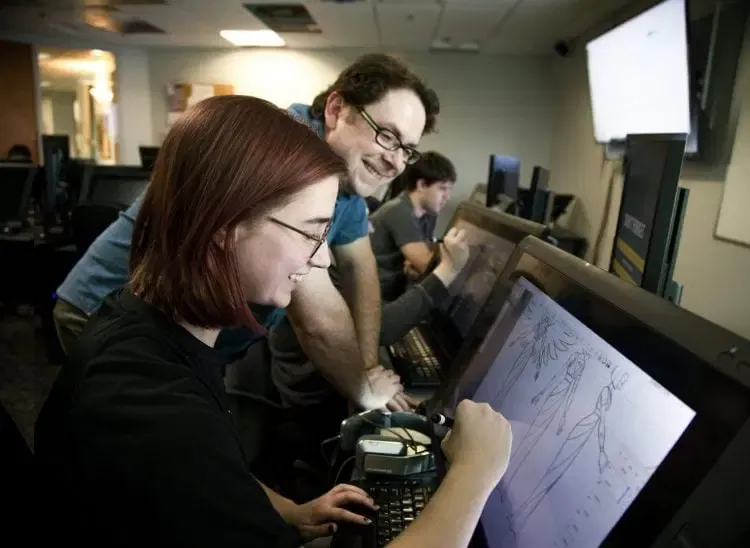 Get the 2D animation skills and industry connections to make your mark in this expanding industry. Key skills covered in this program include traditional drawing & animation, digital painting and character creation, storyboarding, digital editing, and working in an animation pipeline
 -
 There’s a lot of ways to make it as a filmmaker. One of the more reliable is completing a professional filmmaking diploma. Filmmaking diplomas are more than just pieces of paper to hang on your wall and then forget about. They’re great ways to get the training you need to succeed from industry veterans and experts and to network with colleagues and classmates sharing your passion for film. What’s important to know is that programs like this allow you to quickly discover just how much the film and video industry is made up of many different creative and technical roles. So, if you’re wondering whether a filmmaking program like this is worth it, one of the biggest benefits of a strong diploma program is that it helps you explore those options while building practical, transferable skills to be able to excel in any one of those roles. So let’s take a closer look at which career doorways a filmmaking diploma opens for you. A filmmaking diploma can prepare you for many different career paths “Since graduating I have worked on numerous sets that have come through, opened up my own production company called Standstill Productions and will continue to head the many learnings taught by this incredible college.” Noah Gannon, founder of StandStill Productions and College for Arts and Technology Graduate First up, it’s worth noting that a good filmmaking diploma is not just about learning how to make one kind of film. The best diplomas out there are all about helping you build a broad foundation that can apply across multiple parts of the screen-based media world. That includes: film and television production documentary and factual storytelling digital content creation branded and commercial video social media and web video freelance and entrepreneurial video work creative production for businesses, agencies, and nonprofits In filmmaking diplomas like the one offered at College for Arts and Technology in Kelowna, in addition to narrative film, students like you are exposed to corporate and commercial production, marketing for film and video, factual and documentary film production, and business and entrepreneurialism for film and video. All of these are things you won’t get if you opt for going the self-taught route. Plus, having all of this under your belt will certainly add career flexibility after graduation, and go a long way when you’re job hunting. Common jobs you can get with a filmmaking diploma 1. Production Assistant (PA) “This course provided me with hands-on experience and connections. Especially when it came to being on set, I got the chance to work on actual movie sets as a production assistant and eventually made my way up to being an assistant make-up artist! Furthermore, Victor has helped me make an incredible connection that led me to a job as a video editor after I graduated.” Brooke Malesan, Graduate Often your first job, but rarely your last job, a production assistant is often one of the most common entry points into the industry. Countless screenwriters, directors, actors, and others have worked their way through the industry all while beginning their road as a humble PA. That’s not to say PAs aren’t important – far from it! PAs help keep productions moving from start to finish. Depending on the set or project, they may support logistics, manage paperwork, help with gear, coordinate small tasks, assist departments, and generally keep the day organized. Why it matters for people looking for film industry careers: It is a strong “foot in the door” role It helps you learn how professional sets actually operate It lets you get experience with a ton of different aspects in filmmaking and production It can lead to more specialized positions as you gain experience For many people, this is one of the most realistic and valuable first jobs after graduation. 2. Camera Assistant / Camera Operator If you enjoy the technical and visual side of production, camera work can be a natural fit. Graduates with training in camera operation, framing, lighting, and on-set workflow may pursue entry-level opportunities such as: camera assistant assistant camera (AC) support junior camera operator second shooter on smaller productions This includes cinematography and production, basic camera operation, gripology, and lighting for video, giving you exposure to the kinds of technical foundations that support camera-focused roles. 3. Video Editor / Assistant Editor Editing is one of the most practical and in-demand pathways for filmmaking graduates. Many employers, agencies, production houses, and freelance clients need people who can: assemble footage cut interviews and narrative scenes shape pacing and story manage files and media workflows create polished deliverables for web, social, and commercial use These diplomas typically include components focusing on post-production, including Adobe Premiere, Adobe After Effects, and Adobe Creative Cloud tools, which makes editing a particularly strong career direction for graduates interested in post. 4. Content Creator / Digital Video Producer Today, not every filmmaking graduate works in traditional film or television. Many work in: social-first content production YouTube or creator-led media branded storytelling marketing video educational and training video event or promotional video This is one of the most relevant modern career paths because it blends storytelling, production, editing, and platform awareness. If you want to work quickly after graduation, digital video production can be one of the most accessible and versatile entry points. 5. Corporate / Commercial Videographer Businesses, nonprofits, agencies, schools, tourism groups, and startups all need video. That means filmmaking graduates can often find work creating: brand videos product videos testimonials event recaps recruitment videos promotional campaigns social ad creative This is one reason the inclusion of corporate and commercial production in film programs like the one we offer in Kelowna matters. It shows that you are not only being prepared for artistic filmmaking, but also for the kinds of practical video work that can lead to steady early-career opportunities. 6. Sound / Location Audio Support Audio is one of the most overlooked but essential parts of filmmaking. Graduates with training in location audio for film and TV may pursue opportunities assisting with: boom operation field audio support location sound setup syncing and managing audio assets basic production sound roles on smaller shoots Even if you do not become a dedicated sound specialist, audio knowledge makes you more valuable on set and more versatile in freelance work. 7. Screenwriting / Development Support Not every graduate will work only on the technical side. If you who love storytelling, you may find early opportunities in: script development writing short-form content concepting branded or commercial video assisting with pre-production and story planning creating treatments, outlines, and pitches Many programs include screenwriting and visual storytelling and writing for film and video, which can support students like you interested in the narrative and development side of the field. 8. Documentary / Factual Content Producer If you are drawn to real-world stories, interviews, and research-driven projects, documentary and factual work can be a strong path. Potential work can include: documentary shorts nonprofit storytelling local community stories interview-based branded content educational media cultural and social issue content Because the best filmmaking programs include factual and documentary film production in the diploma, you can begin building relevant experience in this area before graduation. 9. Production Coordinator / Junior Producer Some folks naturally gravitate toward planning, organization, and managing moving parts. These graduates may be well-suited for: production coordination scheduling support client communication pre-production logistics call sheets and planning documents coordinating crews, talent, and deliverables This path is especially relevant in commercial, agency, and corporate video settings, where reliability and organization are highly valued. 10. Independent Filmmaker / Freelance Creator For some people, the real goal is to build their own path. A filmmaking diploma can help prepare graduates to work independently as: freelance videographers editors small production business owners documentary creators branded content specialists independent short film makers hybrid creators working across multiple formats Many programs, such as our own, explicitly include business and entrepreneurialism for film and video, which is a useful signal for students who may want to freelance, pitch projects, or build a small production practice over time. Your first job may not be your forever job and that is normal for many industries, including film One of the most important things prospective students should understand is this: A filmmaking diploma usually does not lock you into one role. It gives you a starting point to a whole range of possibilities in the industry. Many graduates begin in one area and move into another over time. For example: a production assistant may move into camera work an editor may move into directing or producing a content creator may move into commercial cinematography a documentary-focused student may end up building a strong branded storytelling career a freelancer may grow into running a production company Even if directing is your long-term goal, it may not be your first job. Because of this, filmmaking programs are often designed to expose you to the different jobs available in the industry. That is actually a strength, not a weakness. It allows you to discover what you are best at while building real experience as you think about job hunting in the industry. Frequently Asked Questions What jobs can you get with a filmmaking diploma? A filmmaking diploma can help prepare you for a range of creative and technical roles, including production assistant, camera assistant, video editor, assistant editor, content creator, corporate videographer, documentary producer, production coordinator, and freelance filmmaker. Many graduates also move into related digital media and commercial video work. Can you become a director with a filmmaking diploma? A filmmaking diploma can be a strong step toward directing, but most graduates do not begin their careers as directors right away. Many start in entry-level production or post-production roles, build experience, strengthen their portfolios, and move toward directing over time. Is video editing a good career path after film school? Yes. Video editing is often one of the most practical and versatile career paths for filmmaking graduates. Editing skills are useful across film, commercial video, social media, branded content, documentary work, and digital marketing, making it a strong early-career option. Can a filmmaking diploma help with freelance work? Yes. A filmmaking diploma can support freelance opportunities by helping you build a portfolio, learn production workflows, gain experience with editing and camera tools, and develop the confidence to take on client work in areas like promotional video, social media content, event videography, and branded storytelling. Are filmmaking jobs only in film and television? No. Many filmmaking graduates also find opportunities in adjacent fields such as digital marketing, social media content production, commercial video, education and training media, nonprofit storytelling, tourism, and agency work. Is a filmmaking diploma useful if I do not want to work in Hollywood or on big productions? Absolutely. A filmmaking diploma can be valuable even if your goals are local, independent, entrepreneurial, or digital-first. Many graduates build careers in smaller production companies, freelance video, documentary work, commercial content, or online media rather than traditional studio systems. Final Thoughts A filmmaking diploma can lead to more opportunities than many expect. While some people begin with a single goal in mind, the reality is that film and video careers often begin through a range of entry points. Editing, production support, camera work, documentary storytelling, commercial video, and digital content creation can all be valuable starting places. That is one of the strengths of a strong diploma program: it helps you build a broader toolkit rather than preparing them for only one title. The more practical your training, the more flexible you can be as you begin building experience and discovering where your skills fit best. If you are considering a filmmaking diploma, it helps to think beyond the dream job and focus on the bigger picture and not just things like the immediate cost of entry: what skills you are building, what kinds of projects you will complete, and how many different directions those experiences can open up after graduation. Contact us today!
 -
 A New Career in 6 Months? Here’s why Bookkeeping and Accounting is a Smart, Recession-Resistant Career Change for 2026 If you’re thinking about a career change, you’re not alone. According to one recent survey, up to one in three Canadians are thinking about changing their career in 2026. Most people responded that they’re seeking better perks and benefits, hoping for remote or hybrid work, and a career that’s likely going to remain stable even as the economy fluctuates. Those reasons are likely pretty close to your own. The good news is that there are plenty of career options that meet these requirements. Namely, one of the best ways to get you into a new rewarding career (without taking ages to do so) is to go for an online bookkeeping and accounting program. These programs are typically completed in less time than what’s offered at a traditional university, getting you career-ready sooner, from wherever you want to study. Now, let’s take a closer look at this career path, why it’s a strong choice for a recession-resistant career, and why there’s no better time than now to enroll in a training program. Why bookkeeping is a smart career change for 2026 In times of economic uncertainty, a good pivot career usually has to pass a simple test: Will there continue to be a demand or even a need for folks in this career, even when budgets get a little tighter and some industries feel the squeeze? According to Indeed, accounting careers are in the top 5 most recession resistant career paths out there (right up there alongside teachers and physicians). It makes sense when you think about it. Organizations don’t suddenly stop doing their taxes or finances just because the economy is looking uncertain — and if anything, there’s even more of a reason to have a employees well-trained accounting on hand to make sure the company keeps its head above water. And this is true across industries. Unlike a lot of career paths that might be fixed to one particular industry or location where that industry is located, bookkeepers and accounting experts can show up to work anywhere — whether it’s for a construction firm, professional services, finance/real estate, retail, healthcare, non-profits, and more. That flexibility matters particularly in parts of Canada like BC and Alberta, especially in the more remote parts of the provinces far from the major city centres. Real demand in the region Now for the big question: If I pivot to accounting and bookkeeping, what are the chances of finding employment? Well, if you’re in British Columbia or Alberta, the labour-market signals are really worth paying attention to right now. Take for example: The Government of Canada’s Job Bank rates job prospects for bookkeepers as well rated in the province, and the Okanagan and Kootenay regions in particular. Similarly, for Alberta, with many retirements looming, prospects are considered very strong for people entering this field. In both cases, that’s better than what the majority of career paths out there can offer. Even better, according to Work BC, it is estimated that there will be close to 11,000 new openings in this field over the next decade in the province alone! Someone is going to need to fill those positions — so why not you? The only hitch is that to make it into this industry, you’ll need to be trained, and fortunately, you can do so flexibly and without taking years to do so. You Can Break Into Your New Career in Just 6 Months When we bring up the thought of going back to school or postponing your career, you might have some doubts — and that’s only natural. Some of the top concerns cited for going back to school right now are: Time (you don’t want to be stuck 3–4 years going back to university while not making any money in the meantime) Stability (you don’t want to graduate into an even more uncertain industry than the one you plan on leaving) Real job demand (you don’t want empty hype, but verifiable demand and actual openings that you could secure) Fortunately, bookkeeping and accounting programs, especially those offered online, tick off all three of those boxes. Take, for instance, a closer look at the Bookkeeping & Accounting certificate offered here by College for Arts and Technology (CAT). The program is only 6 months long, fully online, and designed to get learners job-ready with a practical mix of fundamentals and the tools employers actually want to see right now. This includes covering: Microsoft Office Suite, with a focus on Excel for financial tasks Sage and QuickBooks, two of the most widely used accounting platforms in Canada and elsewhere Payroll and taxation processes (CPP, EI, deductions, ROEs, T4s, and more) Financial reporting and reconciliation These skills matter because bookkeeping in real workplaces often touches payroll cycles, government remittances, and basic tax prep support. Who the bookkeeping and accounting career path tends to fit best This kind of six-month pivot usually fits people who are: Career changers who want a shorter runway as they launch into their second or third careers People returning to the workforce who need an in-demand, portable role, no matter where they are based Admin, customer service, or operations folks who want to move into finance support or a different role in their organizations Practical learners who want skills and tools to run a second business or gig Explore the program If you want to see whether CAT’s Online Bookkeeping & Accounting certificate fits your goals (and your schedule), start by reviewing the program details and reaching out to a program advisor. Contact us today!
 -
 CAT’s 18-month 3D Animation diploma is career-focused and taught by industry pros, building in-demand skills and connections to launch your animation career.
 -
 Gain practical skills in Linux, networking, security, cloud computing and ethical hacking in CAT’s 12-month IT & Cybersecurity Professional program to launch your tech career.
 -
 Cost is something on a lot of people’s minds these days. Especially with people just like you thinking about going back to school or changing careers for something more interesting, like getting into filmmaking. And that makes sense. It’s no secret the cost of living has increased in Canada and in a world full of YouTube tutorials, affordable editing software, and online communities on nearly every platform, it is reasonable to wonder whether paying for a diploma is truly necessary anymore. After all, if you can learn camera basics, editing shortcuts, lighting setups, and storytelling techniques online, why pay tuition at all? It is a fair question. But it is also the wrong one you should be asking – especially if you are serious about breaking into a new industry or if filmmaking is more than just a hobby for you. So instead of “How much does a filmmaking diploma cost?” what you really should be asking is “What do you actually get for that tuition?” That distinction matters because a filmmaking diploma is not just access to information and basic tutorials. For many students, its value comes from the environment around the learning: the structure, the feedback, the equipment, the accountability, the collaboration, and the support that help turn interest into real progress. Let’s take a closer look. Teaching yourself may be cheaper in some regards, but not everything There is no question that self-teaching can cost less upfront. If you’re disciplined and you found some good tutorial videos online, you can learn quite a bit these days without spending a dime. So right off the bat, that looks like a big point against going for a proper diploma, especially as there’s no college anywhere in the country that offers completely free tuition without grants, bursaries, and student loans However, when you focus too narrowly on the price, you might miss that what matters even more than upfront cost is what each path actually gives you in return. A filmmaking diploma may cost more than learning on your own, but it can also allow you to access things you wouldn’t normally be able to for free. Consider for example the cost of the following: Camera and equipment rentals Software and subscription fees Pay for actors, extras, and the rest of the crew Not to mention the time to put it all together. Things like this are often what get in the way for filmmakers looking to go it alone, but when you go to a college with a filmmaking program, they’re built into the cost of your tuition. Colleges offering filmmaking diplomas help with keeping your learning structured and in order More important than just the material cost of access equipment, the college path offers access to other things that are difficult to build independently. That includes a clearer learning path, direct feedback from experienced instructors, access to professional tools and spaces, more consistent project completion, and stronger support when it comes time to start looking for work. For many students, that added support is what changes the equation in the favour of going to college. The real value is not just in what you learn but in how much more likely you are to keep improving, finish stronger work, and leave with something concrete to show for the investment. After all, one of the biggest differences between self-teaching and formal training is not the content itself. It is the order and context in which you learn it. When folks teach themselves, they often pick up useful skills in fragments. They might learn editing from one creator, camera settings from another, and lighting tips from a third. That can be a great way to begin, but it often leads to a scattered experience. Many learners know a little about many things without fully understanding how those skills connect in real production environments. A strong filmmaking diploma helps solve that problem by offering a more intentional progression. Here at College for Arts and Technology, for example, training is spread across multiple areas of the filmmaking process, including screenwriting, cinematography and production, post-production, location audio, narrative and documentary production, corporate and commercial work, and portfolio development. It all unfolds logically and in a structured manner, ensuring that you’re ready to step into a variety of roles for after graduation. Feedback is one of the most valuable things students pay for This is one of the easiest parts of the cost conversation to overlook when you’re just focusing on whether a tutorial or course is free. Online tutorials can teach techniques. They can show you how to use a tool or explain how someone else solved a problem. What they usually cannot do is tell you whether your work is improving. That is a big gap and a major hurdle towards improving your trade. Many students who teach themselves can learn how to operate software or imitate a setup, but they still struggle to judge whether their pacing is working, whether their shots are serving the story, whether their lighting choices are effective, or whether their audio is strong enough to hold up in real-world use. Without meaningful feedback, it is easy to plateau and never improve. That is one reason formal training can feel so different and for many students just like you, that alone can be a major part of what tuition is really buying. A diploma can help you leave with work you can actually use and land a job faster In film and video, what you can show often matters as much as what you say you can do. That is why one of the most practical ways to evaluate the cost of a filmmaking diploma is to ask whether it helps you graduate with a stronger portfolio. A reel, short projects, documentary clips, commercial-style work, edited scenes, or collaborative productions can all make a major difference when students begin applying for entry-level roles or pitching freelance services. Those materials are often what employers and clients use to judge whether someone is ready and can make a real difference in landing work while job hunting. Our Professional Filmmaking diploma here in Kelowna includes portfolio production, which shows that our program is not only about learning concepts or completing isolated exercises. It is about helping students shape work they can actually use after graduation. So, what are you really paying for in a filmmaking diploma? If you look beyond the tuition number alone, a filmmaking diploma offers much more than just the classes and course material. What you are really paying for is a structured environment where you can learn with structure, get better feedback from industry professionals and peers, use better resources, access top of the line gear, complete more meaningful work, and move forward with more confidence. That does not mean a diploma is automatically going to get you into the industry or a dream job as a film director day one after graduation, but it does mean that the value of tuition should be measured by more than the number on the page. Frequently Asked Questions What are you really paying for in a filmmaking diploma? A filmmaking diploma is about more than classes alone. Depending on the program, tuition may support structured learning, access to studios and equipment, feedback from experienced instructors, collaborative project work, portfolio development, and career preparation. For many students, the value comes from the full learning environment rather than just the course content. Is a filmmaking diploma worth the cost? It depends on your goals. For students who want hands-on training, mentorship, access to gear, and a clearer path toward building a portfolio and preparing for work, a filmmaking diploma can be a strong investment. The key is to look beyond tuition alone and consider the overall value of the program. Why does a filmmaking diploma cost more than teaching yourself? A diploma may cost more because it comes with the full college experience, which includes structured instruction, direct feedback, studio and gear access, collaborative learning, portfolio support, and professional development resources that are harder to recreate on your own. Does tuition usually include access to film equipment and studios? In many filmmaking diploma programs, yes. Some schools provide access to cameras, lenses, lighting setups, studio spaces, editing tools, and other production resources as part of the learning experience. This can be one of the most practical parts of the value students receive through tuition. Does a filmmaking diploma help you build a portfolio? Yes. One of the most valuable parts of a filmmaking diploma is that it can help students complete projects and graduate with work they can actually use. Reels, short projects, documentary clips, and collaborative productions can all strengthen a portfolio and support job applications or freelance opportunities after graduation. Does a filmmaking diploma include job or career support? Some filmmaking diploma programs offer career-related support in addition to technical training. This may include career counseling, professional development, job search guidance, networking opportunities, and help preparing for the transition from school to work. Prospective students should always ask what kind of support is included. How should students compare the cost of film school to self-teaching? The best way to compare is not only by looking at the upfront price. Students should also consider what each path is likely to help them achieve. That includes how quickly they may improve, whether they will finish projects, what kind of portfolio they can build, what resources they can access, and how supported they will be when they begin looking for work. Final thoughts A filmmaking diploma is not just a purchase. It is an investment in a learning environment. For some students, self-teaching is the right fit. It can be flexible, affordable, and highly effective if they already have strong discipline, access to resources, and a clear sense of how to progress. But for many students, the real value of a diploma is that it offers more than information. It offers structure, access, accountability, feedback, collaboration, and support — the things that often make the difference between wanting to make films and actually building the skills, work, and confidence to move forward. If you are comparing your options, do not only ask what tuition costs. Ask what it helps you become. Contact us today!
 -
 For many aspiring filmmakers like yourself out there, the real question on everyone’s mind is not whether filmmaking is worth pursuing. It’s whether a professional filmmaking diploma is still the best path forward for turning that interest into a future career. These days, that question matters even more. Especially since there seems to be so many routes of getting there, ranging from traditional film studies degrees, to free online tutorial videos, to weekend courses, to do-it-yourself discovery. It’s not a stretch to say that prospective filmmaking students like yourself are weighing the potential cost of a proper education with career outcomes (and you should be!) The right answer for you definitely depends on what kind of learning experience you want, what sort of practical and job-ready skills you want to develop, what kind of portfolio, and whether the program gives industry readiness as well as theory. While we can’t really speak to what motivates every student, for students who want practical training, production experience, guidance from working professionals, and a clearer path into the industry, a professional filmmaking diploma can certainly be a strong investment. Let’s take a closer look at what this program offers as well as what makes a filmmaking degree still worth it. What makes a filmmaking diploma worth it? In a general sense, a filmmaking diploma versus other paths towards developing your movie-making skills tends to be worth it when it helps you do five things well: Build real film production skills Create a portfolio or body of work that showcases your expertise Learn from people with industry experience Understand the many career paths available in film and content production and how to get there Offer support moving from school into employment (and ideally with testimonials that showcase this!) That last point, from our experience, is often the one that is most overlooked by students like yourself in the early stages of their career journey. Many prospective students have the tendency to focus only on the creative side of filmmaking. But the best filmmaking programs are the ones that also prepare students for the professional side of things, for students who want to turn their training into something more than a hobby or passion project. That means investing in things like how to collaborate with other filmmaking professionals (movies are always the work of teams!), how to job search in this environment, how to position themselves for the industry, and how to move from student work into paid opportunities. Professional Filmmaking programs like the one here in Kelowna speak directly to this mix of artistic and technical development. The program approaches filmmaking as both a creative and technical field that focuses on helping students develop skills (whether it be lighting, camera operation, post-production, and conceptual style) while also offering professional development. After all, if you’re looking to move into the industry, the right student services, including career counseling, job search skills, and self-development workshops, can help get you from student to professional faster. Does a filmmaking diploma help with practical, applied learning? One of the biggest reasons students choose a diploma over a more traditional academic path is that they want to spend more time making things and less time just focusing on the theory. In filmmaking, the practical side matters. Not that there is anything wrong with studying or diving into film history, criticism, or theory – all the things that a traditional film studies degree focuses on. But these elements are not what necessarily translates into or drives one towards a career making movies, so much as simply discussing them. For students like yourself who want to get into movie making, you need to understand how productions come together, how equipment is used, how creative choices affect technical execution, and how to work in teams under real conditions. In other words, programs that focus on the doing, on the actual hands-on making of movies are the ones that equip students for their future roles in the industry. Programs like the one offered here in Kelowna are positioned around that kind of applied approach to learning about filmmaking. At College for Arts and Technology, students have access to a modern campus with two photo and film studios and an equipment cage with camera bodies, lenses, and other gear for student use. The studios in particular offer things like seamless white backdrops, adjustable natural lighting, professional-grade studio lighting, a ceiling-mounted lighting grid, and lighting modifiers, and everything a professional filmmaker would need to hone their craft. That kind of access can be a major part of the value equation when you’re looking at the cost of education versus the real world returns it can bring you. A diploma becomes even more worthwhile when students can learn in an environment that resembles the tools and workflows they may encounter after graduation, making that transition all the more seamless. Is it worth it if you are looking for career direction, and not just inspiration? To answer this question, let’s start with a common misconception about film school. Notably, the idea that it is only for students who want to become directors. In reality, one of the most valuable things a good filmmaking program can do is expose students to the range of roles available in the industry. Not every graduate will go straight into directing and that is completely normal. There are tons of careers in production support, editing, camera work, sound, content creation, corporate video, or other adjacent roles.As such, programs like the one in Kelowna are designed to expose students to different jobs in the industry, and that some students may discover another role that suits them even better. In other words, you might not even realize that you have a passion for different aspects of the filmmaking process until you try them yourself! This is an important point for prospective students and parents alike. Diplomas like this can help broaden career possibilities instead of narrowing them too early. That’s one reason why here at College for Arts and Technology, the Professional Filmmaking program is built around technical development, access to studios and gear, and professional development support designed to help students prepare for lasting success after graduation no matter what role they find themselves in. Is a filmmaking diploma better than teaching yourself? Let’s be honest, there’s a lot of debate out there about the possibility of self-teaching or going through a structured program. For some learners, especially the self-starters, self-teaching can work. That said, it requires a lot of time, discipline, and awareness to know when the free and low-cost resources available online are leading them in the right direction or not. Additionally, self-teaching also comes with limits. Among them, students often struggle to: Build a structured and demonstrable progression of skills. Get feedback from experienced professionals (including industry veterans). Access professional tier gear and production spaces without being forced to rent them (which can be costly). Collaborate regularly with peers sharing the same passion. Understand industry expectations and current needs. Translate their creative interests into employable strengths. While some students can network build up on the go, for most of us, a diploma program helps solve each of these problems by providing structure, mentorship, deadlines, collaboration, and access to instructors and support services as part of the package. Cost matters, but so does support and benefits along the way Cost is one of the biggest concerns students have when considering a creative diploma, and understandably so. The economy today isn’t what it was ten years ago, with skyrocketing costs of living and a lot of uncertainty in various industries. It’s only natural to worry about the cost of a program and to even think twice when you see what the total fees look like. The better question you should be asking yourself, however, is not “How much does it cost?” but more importantly “What value am I getting in return?” That’s where the real, and often hidden value, in taking a creative program at a college lies. For instance, as we mentioned above, one of the best things about going to a professional filmmaking program is by gaining access to a supportive network of peers and industry professionals. You don’t need to struggle to find people to share your ideas with or even be feeling like you can’t get qualified feedback on your work. Everyone you need is right here with you. Secondly, even the so-called “free” courses out there typically come with costs. Namely, if you’re going it alone, you will need to be prepared to spend money either purchasing or renting equipment, studio space, editing software, and recruiting talent to make your projects a reality. At college in a filmmaking program, you get access to all the tools, software, and talent (including actors in an adjacent program!) to help turn your projects into a reality. Meaning, there’s a lot of hidden support and benefits tucked under the costs you see for tuition that you won’t be getting elsewhere. Reputation and credibility also play a role Most students aren’t just looking for schools that offer the programs they want. They also want reassurance that the school can help them grow and get them where they want to be. Things to consider when shopping for a school and program include: How many years the course has been offered. There’s a good chance that a more entrenched program will have more fine-tuned material and a whole cohort of alumni who already passed through than one that just launched and is yet unproven. Who are the instructors and what industry experience do they have? It’s one thing to teach filmmaking as a passion project, and another to have worked in the industry where your students want to be. What do other students or grads say about the program? While it’s unfortunately really easy to find negativity everywhere you look online, usually the better received programs will also have strong testimonials. Taking the College for Arts and Technology program into focus, it’s clear how the college answers questions about its reputation and credibility. The college has been up and running for over 20 years, focusing on real-world careers. Students also have strong feedback. Take the following testimonial for example: “College for Arts and Technology gave me a look into the world of film as a whole. I learned enough about each area, cinematography, producing, directing, writing and editing to get me started working and a chance to expand on particular areas. I also think goals and planning are a very important aspect in all areas of life and career wise having some of that built into the program helped me create a plan to start my business.” Thomas Bowerbank, Award-Winning Filmmaker and College for Arts and Technology Graduate Its head of the professional filmmaking department, Victor Poirier, is also a veteran Producer, Director, and Director of Photography with over 35 years of experience creating award-winning and internationally acclaimed television programming for major broadcasters in Canada, the UK, and beyond. Victor has also built and led successful production companies, serving as Managing Director of Pan Films Inc., where he spearheaded multiple award-winning projects. So, is a professional filmmaking diploma worth it? If you’re looking for the next step in your life that will lead you to many new opportunities, learning curves and a great family of friends, this may be the school for you. Jessica Lowe, College for Arts and Technology Filmmaking Graduate To reiterate what we’ve been saying all along: yes. A professional filmmaking diploma can be worth it if you want: Hands-on, structured learning. Access to gear, studios, and guided practice. A clearer understanding of film-industry roles. Help building confidence and professional readiness. Support beyond the classroom. It would be especially worthwhile if you are looking for a program that combines creative development with technical training and career preparation. Remember, here at College for Arts and Technology, our Professional Filmmaking program is positioned around that combination: applied filmmaking skills, access to facilities and equipment, exposure to multiple career paths, and student support that includes professional development and career guidance. Frequently Asked Questions Is a professional filmmaking diploma worth it in Canada? A professional filmmaking diploma can be worth it for students who want hands-on training, access to equipment and studios, mentorship from experienced instructors, and a more direct path into practical film and content production skills. The value often depends on the program’s curriculum, support services, and how well it prepares students for real career opportunities. What jobs can you get with a filmmaking diploma? A filmmaking diploma can prepare students for a range of creative and technical roles, including camera assistant, video editor, production assistant, content creator, sound or audio support, script development, production coordination, and entry-level roles in commercial, documentary, digital, and independent film production. Is a filmmaking diploma better than teaching yourself? It depends on your learning style and goals. Self-teaching can work for some people, but a diploma often offers more structure, professional feedback, collaboration, equipment access, and support. For students who want guided, practical learning and a stronger portfolio-building environment, a diploma can be a better fit. Consider applying. How long does it take to complete a filmmaking diploma? Program lengths vary by school. Some filmmaking diploma programs can be completed in as little as 12 months, while others offer longer pathways for students who want more time to build skills, complete projects, and deepen their experience. Do you need experience before applying to film school? Not always. Many filmmaking diploma programs are designed for beginners who are passionate about film and ready to learn. Some schools welcome students with no formal film background, especially if they are motivated, creative, and interested in developing both technical and storytelling skills. What should I look for in a film school? Look for a program that offers hands-on production training, access to cameras and editing tools, instructors with industry experience, opportunities to build a portfolio, career preparation support, and a clear understanding of the kinds of jobs graduates can pursue after completing the program. Is film school worth it for students who do not know what role they want yet? Yes. A strong film program should expose students to many different roles in the industry, not just directing. Many graduates find rewarding career paths in editing, camera work, sound, production support, digital media, commercial content, and other related creative fields. Final thoughts Not every student needs the same path. Some will prefer a degree. Some will build their skills independently. But for students who want immersive, practical training and a more direct route into making, editing, shooting, and producing, a filmmaking diploma can be a very smart step. If you are considering film school, look closely at what a program actually offers: the facilities, the mentorship, the career preparation, the support systems, and the opportunities to build real experience. Those are often the factors that make the difference between a creative dream and a creative career. Contact us today!
 -
 Get the skills and connections to secure your career in finance! Key skills covered in this program include foundational accounting principles, accounting software (Sage, Quickbooks, and Excel), tax preparation, processing payroll, reporting and reconciliation, and more.
 -
 Learn filmmaking from industry pros with CAT’s Professional Filmmaking diploma, where you’ll build practical skills in visual storytelling, camera work, editing and production management.
 -
 A masterful blend of art and skill, our Interior Design programs prepare you for a career in this dynamic industry. Hands-on classes will cover the key skills including design theory and process for residential and commercial spaces, drafting and rendering, design regulations, and material selection.
 -
 For aspiring filmmakers today, one of the biggest questions is no longer whether you can learn filmmaking. Rather, it’s what’s the best way towards learning it. There has never been more free or affordable filmmaking knowledge available online. You can watch tutorials on camera settings, editing software, lighting setups, screenwriting, directing, audio capture, and even production workflows from creators around the world. For motivated learners, self-teaching might seem more possible than ever. So it is fair to ask:Is a filmmaking diploma still actually worth it? The honest answer is that self-teaching can absolutely work for some people. But for students who want structured learning, hands-on practice, professional feedback, access to gear and facilities, collaboration, and support as they move toward employment, a filmmaking diploma can offer important advantages that going it alone cannot offer. That’s why at College for Arts and Technology (CAT) in Kelowna, the Professional Filmmaking diploma is designed as a hands-on, instructor-led learning experience that combines technical and creative development with access to facilities, industry-informed mentorship, portfolio work, and student support. Let’s take a closer look at what each of these routes offers and which one has the greatest potential down the line for getting you where you want to be. Self-teaching versus on campus Let’s start with the truth. If you are highly motivated, organized, and resourceful, self-teaching can help you learn a lot. The biggest challenge with self-teaching, however, is not necessarily access to information, of which there is a ton available online. Actually, for many people the biggest challenge is one of structure. After all, you can easily find endless tutorials, but still struggle to answer basic and essential questions like: Which skills matter most for real productions? Is my work actually improving? How do I build a portfolio that makes sense for the industry? How do I move from learning alone to working with others like in real film crews? That is where self-teaching often misses some of the connectivity that a more structured program offers. After all, it’s not uncommon that a lot of self-taught learners end up with: unfinished projects limited feedback little experience collaborating under deadlines no clear bridge from learning to job hunting In other words, self-teaching can be helpful but it can also be inconsistent and in need of some guidance and networking which you can only find on campus. A filmmaking diploma can offer structure that is hard to build on your own One of the clearest advantages of a filmmaking diploma is that it gives students a guided progression. Instead of jumping haphazardly through tutorials, you can move through a curriculum designed to build skills in a more intentional order. That matters because filmmaking is not just one skill. Rather, it is a combination of many creative and technical disciplines that go down many paths and that often work best when learned together. Professional Filmmaking diplomas, like the one offered at College for Arts and Technology in Kelowna, emphasize this kind of structured learning. The program includes training across areas such as: screenwriting cinematography and production post-production location audio for film and TV narrative film production factual and documentary film production corporate and commercial production business and entrepreneurialism for film and video portfolio production This kind of curriculum can help you with the “I know bits of everything, but I’m not sure how it all fits together” problem that often comes with self-teaching. On campus, you get to see how all the pieces fit together and what it’s like to work as a team. It also comes in real handy after graduation when you’re job hunting, as you’ll be prepared for plenty of different positions. Feedback is one of the biggest differences One of the most underrated parts of formal training is the feedback you get. When you teach yourself, you can watch a tutorial and follow the steps. But it is much harder to know: whether your work is strong whether your creative decisions are effective whether your pacing, coverage, audio, or editing choices are working whether you are building good production habits whether you are solving problems the way professionals would A diploma program can help because you’re not learning in isolation. Rather, you’re learning from professional filmmakers who act as instructors and mentors. That kind of feedback loop can be extremely valuable, especially in a field where creative instincts and technical execution both matter. “College for Arts and Technology was an incredible experience that I will remember for a lifetime that both provided me with the environment to develop and learn my strengths associated with film making while giving me the skillset I needed to be successful and progress within the industry.” Noah Gannon, Graduate For many students, the difference between “I watched a tutorial” and “I improved because someone experienced challenged my work” is enormous. What’s more, you’ll be surrounded by your peers, and able to share feedback with fellow students who are also dedicated to pursuing the same craft you are. A diploma can make it easier to get real hands-on experience Another major advantage of a filmmaking diploma is access. Everything you need to make a movie and put your skills to the test are available right there on campus. Self-taught learners often have to work with whatever gear, locations, and collaborators they can find. Sometimes that is enough. Sometimes it is a major limitation, as well as one of the hidden costs of studying alone versus what you get included with your tuition. For instance, a structured program can give students more consistent access to: cameras and lenses lighting setups studio space production gear editing tools collaborative shoots class projects with deadlines opportunities to rotate through different roles With our Professional Filmmaking program, you’ll have access to a modern campus with two photo and film studios and an equipment cage that includes camera bodies, lenses, and other student-use gear. You can get to use studio features such as a seamless white backdrop, adjustable natural lighting, professional-grade lighting, a ceiling-mounted lighting grid, and lighting modifiers. That matters because filmmaking is not just learned by watching, but by making, repeating, and refining. Learning with other people matters more than many students expect You might not notice it necessarily when watching a movie, but the moment the credits roll it should become clear that filmmaking is collaborative by nature. Even if you eventually want to write and direct your own projects, you still need to understand: how to work with crew how to communicate under pressure how to manage time and production constraints how to give and receive feedback how to solve problems when things go wrong how to adapt when creative plans meet real-world limitations Self-teaching can build individual skills, but it often cannot fully replicate the experience of learning alongside other people in a structured environment. A diploma program can create opportunities to: work in teams rotate through different roles understand set etiquette build peer relationships learn how productions actually function Those are not just small benefits either. They are often part of what makes someone more employable later. A diploma can help you build a stronger portfolio faster This is where formal training often becomes especially valuable.In film and video, employers and clients often care less about whether you say you can do something and more about whether you can show it – and that’s where a strong portfolio comes in. That means everything you put together during your program, from your reel, sample work, short projects, edits, scenes, documentary clips, commercial-style pieces, and production credits can matter a great deal. The Professional Filmmaking program here in Kelowna includes portfolio production, which is a strong signal for students who want to graduate with work they can actually use in applications, pitches, or freelance outreach. That can be a major advantage over self-teaching when job hunting, where many learners create work inconsistently or struggle to shape it into a coherent portfolio. Frequently Asked Questions Is a filmmaking diploma better than teaching yourself? It depends on your goals and learning style. Self-teaching can work for highly motivated learners, but a filmmaking diploma often offers more structure, hands-on experience, professional feedback, collaboration, portfolio development, and career support. For students who want a guided path into film and video, a diploma can be a strong option. Can you teach yourself filmmaking? Yes. Many aspiring filmmakers learn through online tutorials, personal projects, experimentation, and freelance work. Self-teaching can be a valid path, especially for students who are disciplined and proactive. However, some learners find it harder to stay organized, get feedback, and build consistent experience on their own. What are the benefits of a filmmaking diploma compared to self-teaching? A filmmaking diploma can provide structured learning, access to equipment and studio space, instructor mentorship, collaborative project work, portfolio development, and professional development support. These advantages can help students build skills more intentionally and feel more prepared for job hunting after graduation. Is self-teaching filmmaking cheaper than film school? In many cases, yes. Self-teaching is often less expensive upfront than a diploma program. However, students should also consider the value of what a diploma may offer, including guided instruction, facilities, mentorship, networking opportunities, and support in building a portfolio and preparing for work. Does a filmmaking diploma help you build a portfolio? Yes. One of the biggest advantages of a filmmaking diploma is that it can help students complete projects, receive feedback, and graduate with a stronger portfolio or demo reel. In film and video careers, having work to show is often just as important as the training itself. Is a filmmaking diploma better for job hunting? For many students, yes. A diploma can help with job hunting by providing practical experience, portfolio pieces, references, mentorship, and a better understanding of how the industry works. Some programs also offer career preparation, networking opportunities, and job-search support. Who should consider a filmmaking diploma instead of teaching themselves? A filmmaking diploma may be a good fit for students who want structured learning, access to equipment, guidance from instructors, collaborative projects, accountability, and a clearer path toward building a portfolio and preparing for work in film or video. So, is a filmmaking diploma better than teaching yourself? For some people, let’s be honest, self-teaching is enough. If all they are highly disciplined, already making work consistently, comfortable building their own structure, and looking to make this a hobby more than anything, then it’s definitely valid. However, if you’re looking for more, a filmmaking diploma can be the better option because it offers so much more. At College for Arts and Technology, the Professional Filmmaking diploma is designed around that kind of guided, applied learning experience — one that combines creative and technical training with facilities, instructor mentorship, portfolio work, and student support intended to help students move toward real opportunities after graduation. In the end, you have to ask, which path will help you build better habits, stronger work, real experience, and a clearer route toward your goals? That is usually where the answer becomes clearer. Contact us today!
 -
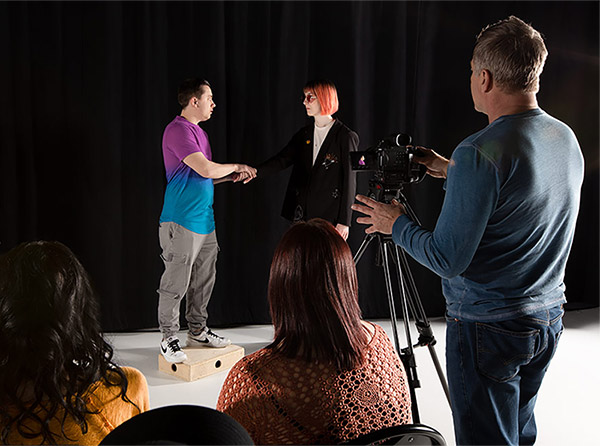
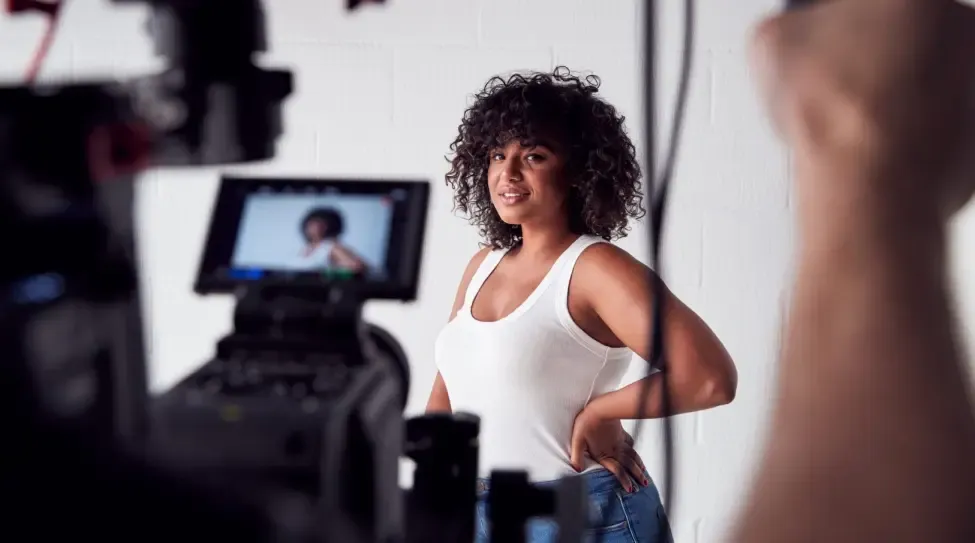 Are you ready to embark on an exciting journey into the world of acting? Our 12 month Acting for Film & Television program is designed to provide aspiring actors with the skills, knowledge, and experience needed to thrive in the dynamic and competitive entertainment industry.
 -
 One of the most frequently asked questions out there when it comes to breaking into the film industry is whether it’s better to go it alone or through a professional filmmaking program. A lot of discussions weigh in on the availability of free lessons and tutorials you can find online, or how it might be better to save costs and avoid school altogether. What all these discussions forget are two things. The first, is that sure, the most disciplined amongst us may be able to learn editing, screenwriting, lighting and other tech, but most of us benefit greatly from structure in reaching our goals. Having deadlines, clear expectations, and feedback from professionals helps keep us focused and aligned on our goals. The second is that having a certain set of skills is only half the battle when it comes to landing your dream job. In film, like many industries, things like having connections, career support, and a presentable portfolio go the distance in getting you the job you want after graduation. That’s where a diploma can make a real difference over the self-taught route. After all, job hunting in film and video is rarely just about sending resumes. Employers and clients often want to see: what you can make how you work with others whether you understand production workflows whether you can communicate professionally whether you can show up with usable, relevant skills That is why the strongest diploma programs help you build more than technical knowledge. Let’s take a closer look at how this happens. 1. You graduate with a portfolio or body of work In film and video, a portfolio often matters more than a generic resume alone. A reel, edited scenes, short projects, documentary clips, commercial-style pieces, or collaborative productions can all help demonstrate: visual taste technical ability editing sense storytelling instincts reliability and follow-through The Professional Filmmaking diploma we offer here in Kelowna includes portfolio production, which is a major advantage when you begin applying for entry-level opportunities or freelance work. The best part is that with so much faculty having experience in the industry and ongoing connections, you can tailor your portfolio in a way that makes it immediately relevant and stand out. 2. You build connections while learning Many creative careers begin through people. A strong filmmaking program can help you connect with: instructors who have industry experience classmates who become collaborators guest speakers and working professionals local creative communities alumni networks employers or production contacts This isn’t something that you get to experience when you try to self-teach using YouTube tutorials or fiddling with software. Like for most careers, industry connections are a strength and one of the core program benefits of going for a diploma like the ones offered here at College for Arts and Technology where real life professional filmmakers act as instructors and mentors. 3. You develop practical, employable skills A diploma can make job hunting easier when you can point to specific, usable skills instead of vague enthusiasm. For example: editing in Adobe Premiere motion graphics or compositing in After Effects basic camera and lighting setup production workflow knowledge audio capture on location collaborative set etiquette storytelling across documentary, commercial, and narrative formats These are concrete strengths employers can understand. 4. You get support beyond the classroom A lot of people underestimate how important this is. The goal here at College for the Arts and Technology has always been employment for graduates. Our Student Services department offers customized support to students, alumni, and industry partners that hire graduates. Our Professional Filmmaking diploma also includes modules on Professional Development courses through Student Services, including career counseling, job search skills, and self-development workshops. That kind of support can be especially valuable when you are applying for internships, entry-level production roles, freelance opportunities, or creative jobs that may not be advertised in the same way as traditional office roles. A filmmaking diploma can also prepare you for adjacent careers It is worth remembering that film jobs can be wide and varied, but are also not the only outcome. There are in fact a whole variety of career paths you can follow after graduating. A filmmaking diploma can also support work in adjacent fields such as: digital marketing video social media content production event videography education and training media nonprofit storytelling branded content tourism and destination media photography-video hybrid roles media support for small businesses and agencies For many graduates, these adjacent pathways can be excellent ways to build experience, income, and confidence while continuing to pursue larger film goals. The exact path depends on your interests, your portfolio, your location, and how you position yourself after graduation. But the strongest programs help by giving you a wider skill base, more real-world experience, and a clearer sense of where your strengths fit. Our Professional Filmmaking diploma is built to support that kind of versatility, with training across narrative, documentary, commercial, technical, and entrepreneurial areas, plus mentorship, portfolio development, and student support designed to help students like you move toward employment. So if you’re wondering whether a diploma of this sort is worth it, it definitely is. Frequently Asked Questions Does a filmmaking diploma help you get a job? A filmmaking diploma can help by giving students practical skills, real project experience, portfolio pieces, and exposure to industry workflows. It can also support job hunting through mentorship, networking, and career preparation resources, depending on the program. Why is a portfolio important after film school? A portfolio is important because film and video employers often want to see examples of your work, not just your resume. Reels, edited scenes, short projects, documentary clips, and commercial-style pieces can help demonstrate your technical skills, storytelling ability, and readiness for entry-level opportunities. Do connections matter in the film industry? Yes. Connections can play a major role in film and video careers. Many early opportunities come through instructors, classmates, collaborators, alumni, guest speakers, or local creative communities. A strong diploma program can help students begin building those relationships while they are still learning. What skills help filmmaking graduates find work? Helpful skills can include video editing, camera operation, lighting setup, audio capture, production workflow knowledge, storytelling, collaboration, and professional communication. Practical skills that are easy for employers to understand are especially valuable during the job search. Is job hunting after film school different from other industries? Often, yes. Film and video job hunting can be more portfolio-driven and relationship-driven than many traditional fields. You may need to combine resumes with reels, project samples, referrals, networking, and freelance outreach rather than relying only on formal job postings. Can a filmmaking diploma help with freelance or self-employed work? Yes. A filmmaking diploma can support freelance work by helping you build confidence, technical ability, a portfolio, and an understanding of how to work with clients. Programs that include entrepreneurial or professional development components can be especially helpful if you are interested in freelancing. Final Thoughts Finding work after graduation in film and video is rarely about sending out a generic resume and waiting for a reply. In creative industries, employers and clients want to see what you can do, how you work, and whether you are ready to contribute in real production environments. That is why a filmmaking diploma can offer value beyond the classroom. The strongest programs help you build a portfolio, gain hands-on experience, develop professional habits, and make connections that can support their next step. For many students just like you, the first opportunity comes through a class project, an instructor relationship, a peer collaboration, or the confidence that comes from having real work to show. That is what makes employability support so important in a film program. If you are evaluating a filmmaking diploma, do not only ask what courses are included. Ask how the program helps you build experience, create work you can show, and move toward your first real opportunities after graduation. Contact us today!
 -
 Our Veterinary Technician Assistant program equips you with practical animal care training, veterinary office procedures and real‑world skills to help you succeed in animal clinics and care settings.
 -
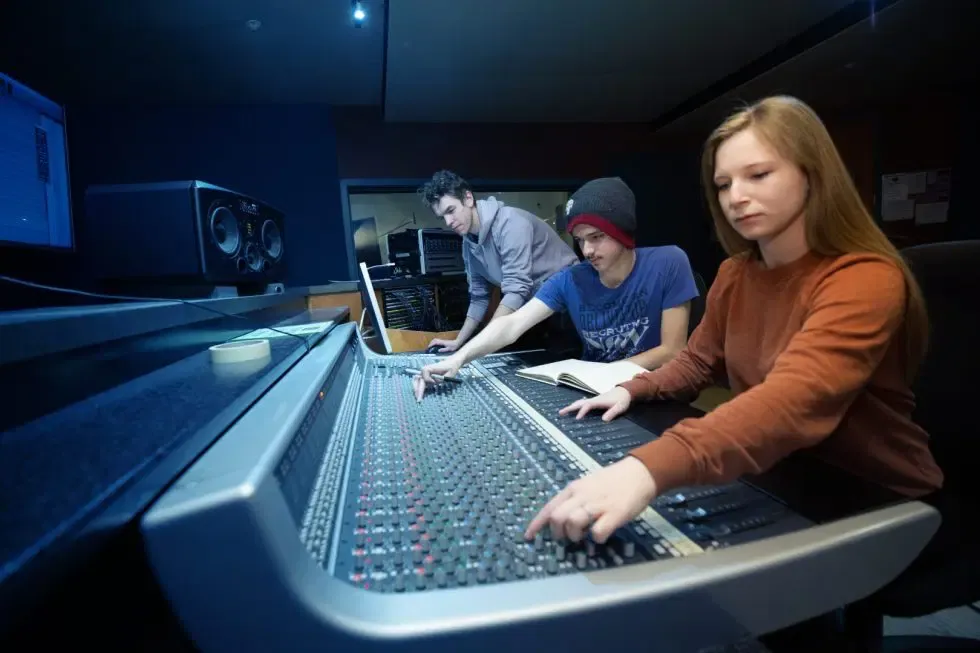 A blend of foundational theory and applied techniques, our audio programs cover the skills you'll need to set the tone for your career in audio. Skills covered include microphones and recording, music theory, Pro Tools and Ableton Live, mixing and mastering, post-production, ADR, foley and surround mixing.

Get started!
Speak to a program advisor
This site is protected by reCAPTCHA and the Google Privacy Policy and Terms of Service apply.