
Acting Diploma Versus Acting Lessons: Which Path Is Better?
If you’re considering a future in acting and started doing your research, you’ve likely come across a wide range of training options, especially in areas like the Okanagan or British Columbia in general.
From weekend workshops and weekly acting classes to full diploma programs, there are countless ways that all promise to help develop your skills and dip your toes into the world of acting and performing. Of course, with so many choices available, it’s natural to wonder if going to college for an acting diploma program is even worth it or if taking short lessons is enough.
The answer depends largely on your goals and what acting means for you.
For some people, short community acting classes or weeklong lessons provide an enjoyable creative outlet, a confidence boost, or an opportunity to explore a new interest. For others, acting is more than a hobby – it’s what they want to do for the rest of their lives, making a career out of it
As such, understanding the difference between short-term lessons and comprehensive acting training at a college like College for Arts and Technology can help you choose the path that best aligns with your ambitions.
Let’s take a closer look.
What Short Acting Lessons Do and Do Not Offer
Short acting lessons, the kind that is offered through community theatre programs or local workshops, is often one of the best places to start if you’re not sure whether acting is right for you or not.
Many aspiring performers can take these short often week-long or free classes to:
- Explore an interest in acting
- Improve confidence
- Practice public speaking
- Learn basic performance techniques
- Develop creativity
- Gain introductory audition experience
Short courses and workshops are often affordable and accessible. They allow students to experience acting and see if it’s something they enjoy doing and for many people, this is exactly what they need.
However, acting lessons are typically designed to focus on a specific skill or experience rather than providing comprehensive career preparation for people looking to get into acting for film and television. After all, a common misconception is that professional acting careers are built solely on performance ability or one’s desire to act.
In reality, working actors need to understand far more than how to perform a scene. The most successful actors must also learn how to:
- Audition professionally
- Create effective self-tapes
- Build a demo reel
- Understand on-set expectations
- Work with directors and production teams
- Network within the industry
- Prepare professional marketing materials
- Pursue representation from talent agents
Many short lessons and workshops simply do not have the time, scope, or even inclination to cover these topics in depth. Knowing the industry and its expectations doesn’t come easy to outsiders, after all, and having an acting mentor such as those often leading programs at film schools can really benefit you by providing first-hand industry knowledge and experience.
As a result, students may improve their acting skills while taking short lessons and yet still feeling uncertain about how to turn those skills into professional opportunities. This difference is the true hidden benefit of acting diplomas.
The Difference Between Learning Acting and Building a Career
The focus on careers, on building industry knowledge and connections, and landing an agent is where diploma programs often provide their greatest value.
After all, acting lessons are typically designed to introduce students to acting, while acting diploma programs are designed to help prepare students for acting careers.
A comprehensive acting program allows students to develop performance skills while also learning how the industry operates and what it takes to pursue professional opportunities.Rather than focusing on a single technique or scene study, students gain exposure to the broader realities of film and television production.
One additional advantage of a diploma program is with its progression. Instead of attending unrelated workshops or classes, students follow a structured curriculum that builds skills over the course of their entire time at the college.
For instance, in the Acting for Film and Television program at College for Arts and Technology in Kelowna, concepts introduced early in the program are reinforced and expanded upon throughout the learning experience.
This allows students to develop a stronger foundation in areas such as:
- On-camera performance
- Character development
- Audition preparation
- Voice and movement
- Scene study
- Self-taping techniques
- Industry professionalism
The result is often greater confidence and a more complete understanding of the profession.
Learning Alongside Future Industry Professionals
If film and television is your goal for acting, it’s best to remember that these are collaborative industries. Actors rarely work in isolation – rather, they work alongside directors, producers, cinematographers, editors, casting professionals, and fellow performers throughout their careers.
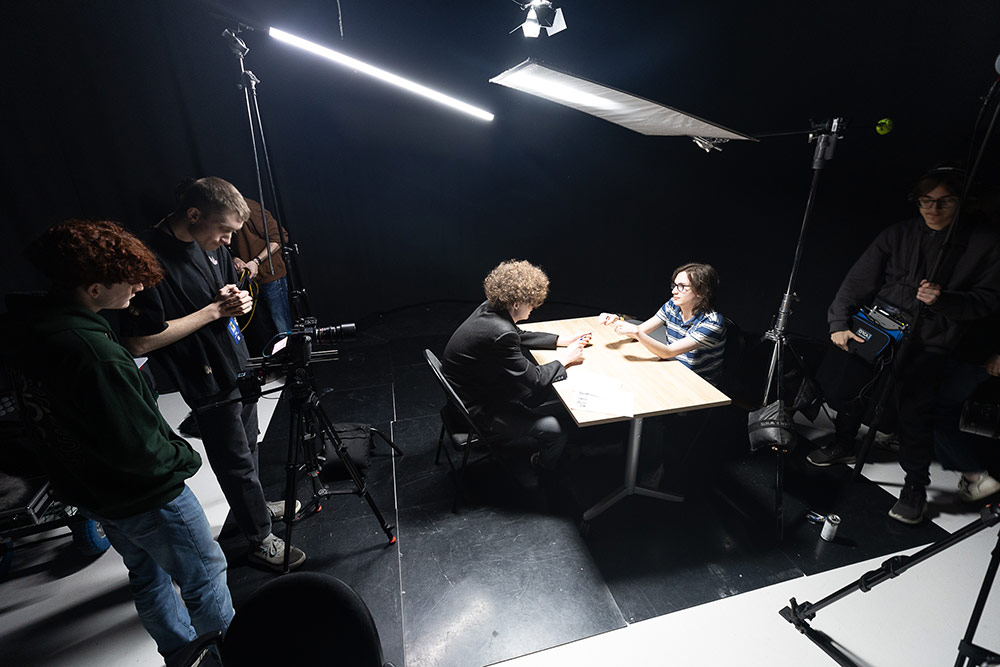
One significant benefit of a diploma program is the opportunity to learn and collaborate within a creative environment. Students often work on projects with aspiring filmmakers, gain experience in production settings, and build relationships with peers who may become future creative collaborators. These experiences can provide valuable insight into how productions operate while helping students establish professional networks early in their careers.
Such collaborations can also lead to developing valuable material for your portfolio which can be vital when hoping to secure a spot with a talent agency after your program completes.
These may include:
- Demo reels
- Recorded performances
- Self-tapes
- Headshots
- Résumés
- Portfolio work
One challenge facing students who rely solely on occasional lessons is finding opportunities to develop these assets. A diploma program often integrates portfolio development into the learning process, allowing students to graduate with professional materials that can support auditions, agent submissions, and future opportunities.
Considering the Long-Term Value of an Acting Diploma Versus Community Lessons
It’s true that diploma programs require a larger investment of time and money than individual lessons – no one can deny that there is the cost of admission to consider and the time commitment. It’s one question that has led to many aspiring actors to wonder if an acting diploma is in fact worth it.
However, aspiring actors should consider what that investment includes. Beyond performance training, students may gain access to:
- Structured instruction
- Industry mentorship
- Collaborative projects
- Professional feedback
- Portfolio development
- Networking opportunities
- Career preparation
For students who are serious about pursuing acting professionally, these benefits can create value that extends far beyond the classroom. It’s important to remember as well, that connections like this don’t only happen in major hubs like Vancouver or Toronto. Smaller cities such as Kelowna in the Okanagan Valley also have thriving creative communities and opportunities for actors that are well worth considering.
Acting Lessons or an Acting Diploma? Which Option Is Right for You?
Let’s be real, there is no universal answer that is right for each and every person looking to get into acting.
If your goal is to explore acting, build confidence, or enjoy a creative hobby, short lessons and workshops may be all you need. However, if your goal is to pursue opportunities in film and television and develop a professional acting career, a diploma program can provide a more comprehensive foundation.
The decision ultimately comes down to your ambitions. Acting lessons can help you improve your craft while a diploma program can help you develop both your craft and your career.
While workshops and short courses offer valuable learning experiences, comprehensive training provides an opportunity to gain industry knowledge, build professional materials, develop meaningful connections, and better understand the realities of working in film and television.
For aspiring actors who are serious about pursuing professional opportunities, that broader preparation can make all the difference.
Contact us today to learn more about the Acting for Film and Television diploma program in Kelowna!