
What Do Talent Agents Actually Look For in Acting Students?
For many aspiring actors, getting an agent feels like the first major step toward a professional career.
After all, a good talent agent can help actors access auditions, connect with casting opportunities, and navigate the business side of film and television.
The important thing to know is that acting agents are not simply looking for people who “want to act.” They are looking for performers they believe they can submit with confidence and not have to worry about after.
That means talent matters, but talent alone is rarely enough. In fact, agents want to see whether a new actor is prepared, professional, marketable, reliable, and ready to compete for real opportunities.
For students considering acting as a career, understanding what agents look for can help clarify why structured training, portfolio development, and industry preparation matter. Additionally, this is one area where an acting diploma program can be highly beneficial in your journey.
Let’s take a closer look.
Agents Look for Evidence, Not Just Acting Potential
Most new actors believe agents are searching for raw talent. This is true but only to a point, and largely perpetuated by stereotypes about the actor’s journey.
What an agent needs is more than a feeling that someone might be good someday. They need evidence that an actor can perform on camera, take direction, prepare for auditions, and present themselves professionally.
That evidence usually comes through training, experience, headshots, résumé credits, demo reel footage, and audition materials.
After all, a new actor does not need to have a long list of professional credits. Everyone starts somewhere. But they do need to show that they are serious, prepared, and capable of doing the work.
This is one reason acting diploma programs can be valuable. They give students time to build practical experience, create performance materials, and develop a clearer understanding of what professional readiness actually looks like. As well, working under the mentorship of industry veterans can really help prepare students for what the future might look like when they begin their own professional journeys.
For Agents, A Professional Headshot is a Must
Unlike in traditional job hunting where you send out a CV or a pitch document, a headshot is often the first thing an agent or casting professional sees.
It should look like the actor, reflect their current appearance, and give a clear sense of how they might be cast. This does not mean the photo needs to be overly dramatic or heavily stylized. In fact, a headshot that looks too artificial can work against an actor.
Ultimately, agents want clarity. They want to understand who they are looking at and where that actor may fit in the market. A strong acting program can help students understand the purpose of professional materials like headshots, rather than treating them as simple photographs. Actors need to learn how presentation, casting type, professionalism, and branding all affect how they are perceived.
This is often one of the benefits of an acting program versus relying only on short community lessons. In short acting lessons, you get to dip your feet into acting, find out if it’s a feel, but not leave with a portfolio and the direct potential to land an agent.
Agents Want to See How You Perform on Camera
For film and television, on-camera ability is essential to getting cast. After all, an actor may be strong on stage but still need to learn how to adjust for the camera. Screen acting often requires smaller choices, greater control, and an understanding of how framing, eyelines, continuity, and multiple takes affect a performance.
This is where demo reel footage or strong acting clips become important. Agents need to see how an actor looks and sounds on screen. They want to know whether the actor can carry a scene, listen naturally, respond truthfully, and remain believable under camera conditions.
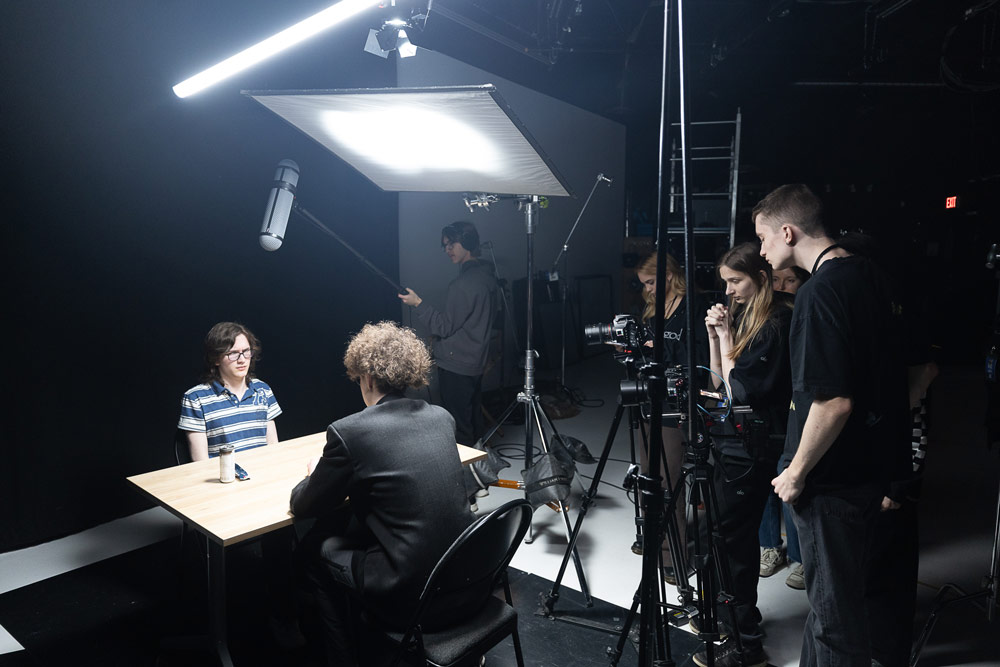
For new actors, getting quality footage can be difficult. This is one of the practical advantages of a diploma program. Students are often working on filmed scenes, class projects, and collaborative productions that can help them build the material they need to approach agents with more confidence.
This is a major benefit of taking an acting diploma at a college or film school and one of the major things that makes an investment like this worth it. By networking and collaborating with film students, acting students can get the experience they need and even make the connections for putting together a few demo reels of their own.
Agents Look for Castability in an Actor
This can be uncomfortable for new actors to hear, but it is important to remember. Agents typically think about where an actor fits. That does not mean actors should limit themselves or reduce their identity to a “type” but it does mean that agents need to understand what kinds of roles a performer could realistically be submitted for right now.
Are they suited for commercials? Teen roles? Young professional roles? Character parts? Comedy? Drama? Voice work? Background that could lead to principal opportunities? Independent film?
An actor’s materials should help answer those questions and training can help students better understand their strengths, range, and professional positioning. Through scene work, camera exercises, feedback, and audition preparation, students can begin to see where they may fit in the market and how to present themselves more effectively.
One of the best ways to see where you might fit is naturally to land a few roles in accessible films and videos, often with other students taking film programs. Opportunities like this don’t only take place in big cities either, as cities like Kelowna also have a thriving local film industry, where it’s possible to get noticed and land your first spots in a production as plenty of graduates from College for Arts and Technology have.
No Program Can Guarantee an Agent, But Most Can Help
Now, it is important to be honest about this. No acting school, workshop, or diploma program can guarantee that a student will get an agent or book professional work. The industry does not work that way as representation depends on many factors, including timing, market demand, training, materials, professionalism, location, experience, and the needs of an agency’s current roster.
However, a strong acting program can help students become better prepared for that step. It can help you build the materials, experience, confidence, and industry knowledge needed to approach representation more seriously. And it can certainly do this in a more committed manner than a community workshop or taking short and often free acting lessons will.
So, What Do Talent Agents Actually Look For?
Talent agents look for actors they believe they can represent professionally. That usually means performers who have strong potential, clear materials, relevant training, on-camera experience, professional habits, and a realistic understanding of the industry.
An acting diploma can help students move toward that readiness by combining performance training with practical career preparation. Through filmed work, mentorship, collaboration, audition practice, portfolio development, and industry-focused learning, students can begin building the foundation agents often want to see.
Curious to learn more about whether an acting diploma program is right for you? Contact us today!